Compassion
The wish to understand suffering and respond in ways that genuinely help—not only for oneself, but for every being.
A beginner’s reading path
Mahayana literature can look like an endless library. This guide offers a calm place to begin—with accessible context, five carefully chosen books, and a path shaped around what you want to learn.
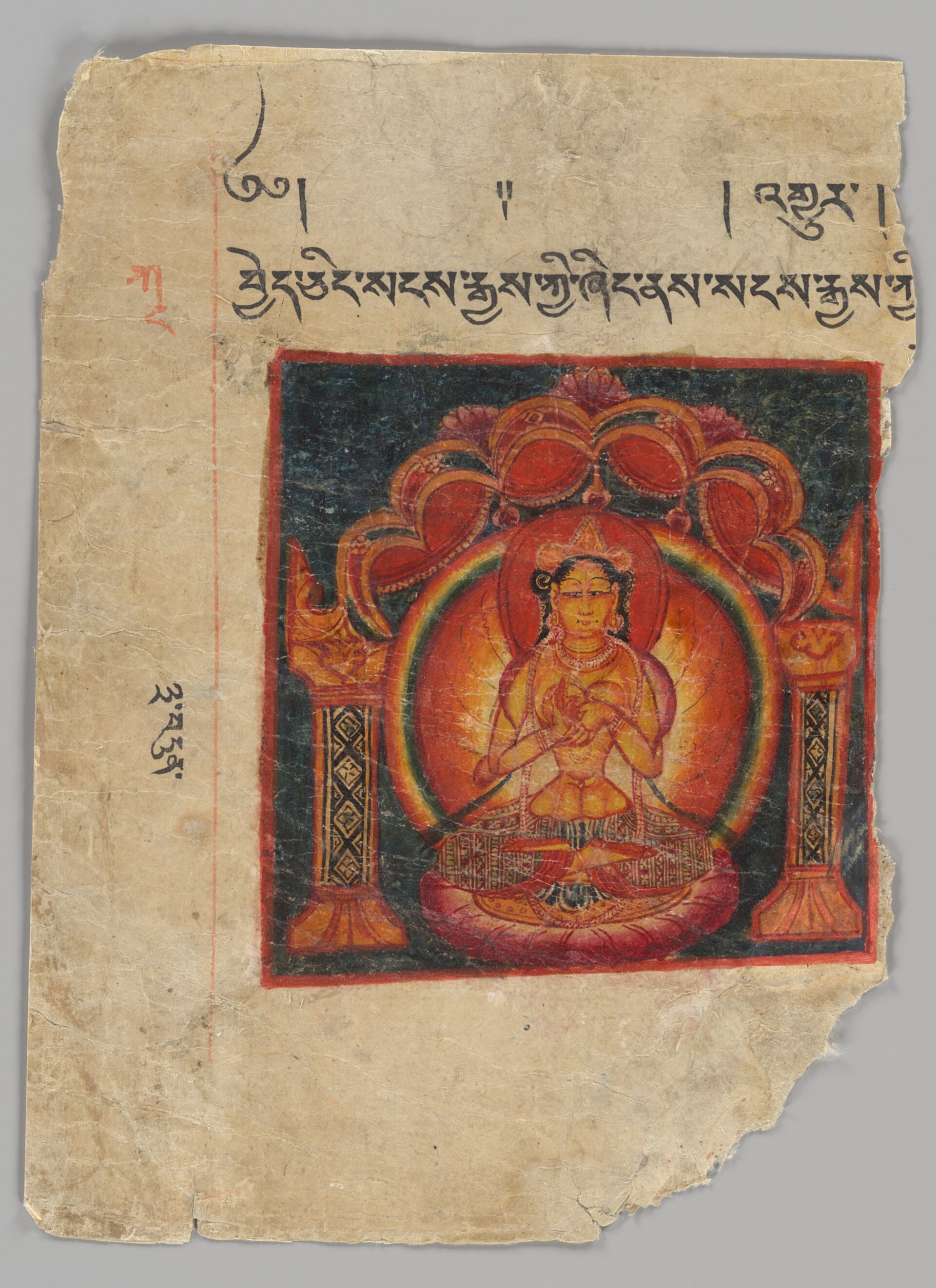
01 · Orientation
Mahayana means “Great Vehicle.” It names a broad family of Buddhist traditions that developed across India and later flourished in China, Korea, Japan, Tibet, Vietnam, and elsewhere. It is not one uniform school: Zen, Pure Land, Tiantai, Huayan, and many Tibetan traditions each bring different practices and interpretations to a shared literary inheritance.
A recurring ideal is the bodhisattva—someone who seeks awakening while working for the freedom of all beings. Mahayana texts pair that compassionate purpose with close inquiry into wisdom, perception, and the way everything exists in relationship.
A useful mindset: read slowly. These books are invitations to reflection, not a checklist to finish as quickly as possible.
02 · Three lenses
These brief definitions are signposts, not final answers.
The wish to understand suffering and respond in ways that genuinely help—not only for oneself, but for every being.
A life organized around awakening and service, developed through generosity, ethics, patience, effort, meditation, and wisdom.
Seeing that things do not exist as isolated, permanent objects. This insight supports flexibility, care, and freedom from rigid views.
03 · The reading path
The numbered order moves from a modern overview into primary texts and classical guidance. You can also use the finder below to choose a different first step.
A clear introduction to core Buddhist teachings and their place in ordinary life. It builds vocabulary without assuming prior study.
View the publisher’s editionA short, influential sutra accompanied by history and patient guidance. It is a strong first encounter with the language of emptiness.
View the publisher’s editionA poetic manual for developing courage, patience, compassion, and the aspiration to act for the benefit of others.
View the publisher’s editionA compact scripture surrounded by extensive commentary on perception, labels, and acting compassionately without clinging to fixed ideas.
View the publisher’s editionA vivid and influential East Asian Mahayana scripture filled with stories, parables, cosmic scenes, and confidence in awakening.
View the publisher’s edition04 · At a glance
Choose by purpose and reading experience rather than page count alone.
| Book | Best for | Form | Starting level |
|---|---|---|---|
| Heart of the Buddha’s Teaching | A broad foundation | Modern teaching | Gentle |
| Heart Sutra | Wisdom and emptiness | Sutra with guide | Moderate |
| Way of the Bodhisattva | Compassion in practice | Classical verse | Moderate |
| Diamond Sutra | Non-attachment | Sutra with commentary | Reflective |
| Lotus Sutra | Parables and vision | Long-form scripture | Immersive |
05 · Your next page
Tell us where you are and what draws your attention. Your choices stay in this browser and are not submitted anywhere.
Your starting book
06 · Keep exploring